by Dwayne A. Day, photographs by James Kruggel Monday, December 15, 2025
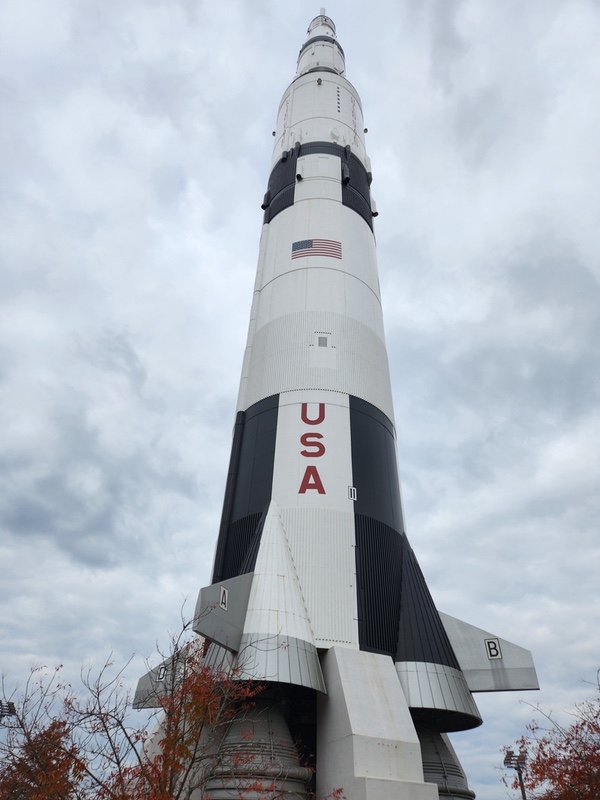
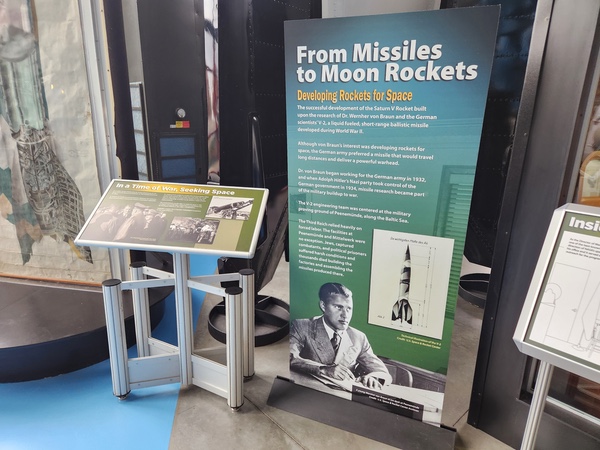
The US Space and Rocket Center first opened its doors in 1970, soon after Apollo 12 had landed on the Moon. For years, the center—really a museum—had impressive displays about the history of US rocketry, focusing primarily on the subject of rockets rather than spaceflight. It also became the home of the first US Space Camp in the early 1980s. But by the 2000s, the museum had become a bit tired and dated, and its hagiographic depiction of Wernher von Braun was very out of date.
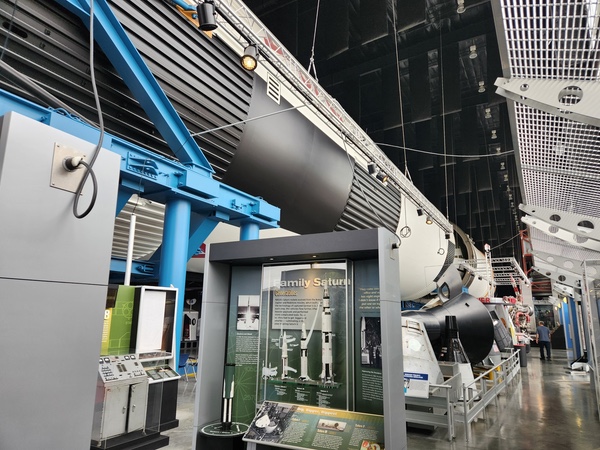
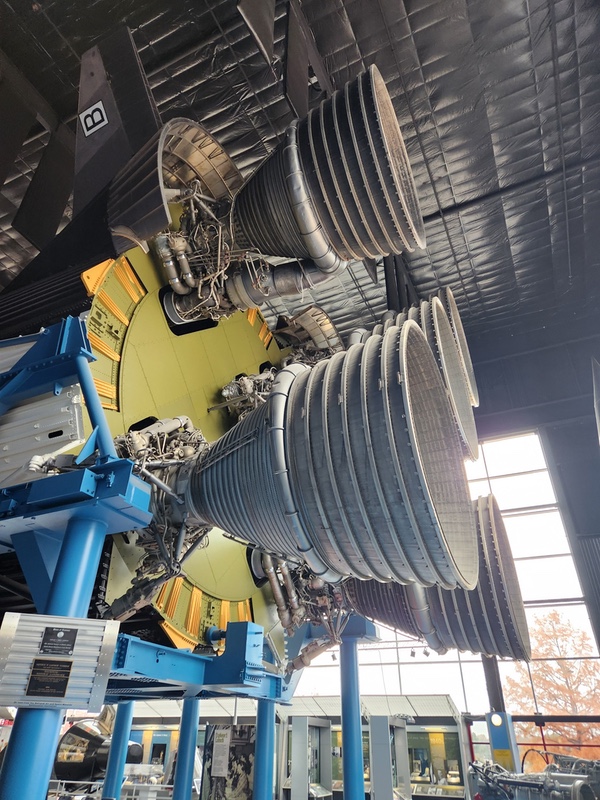
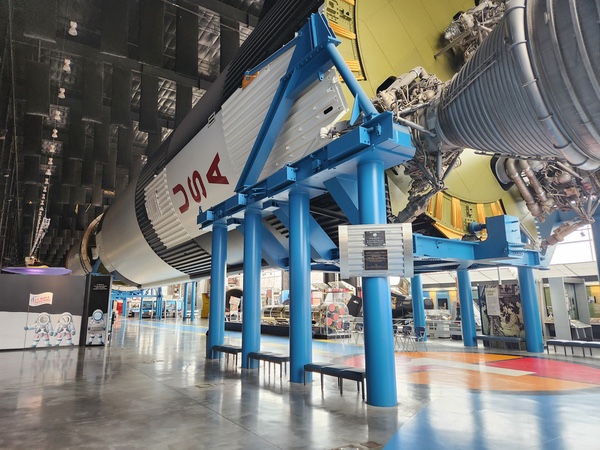
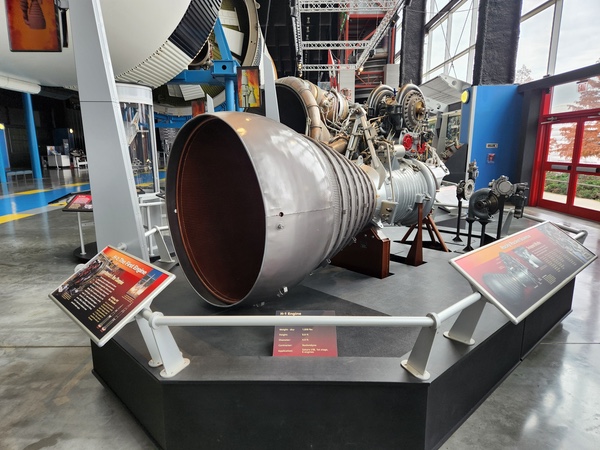
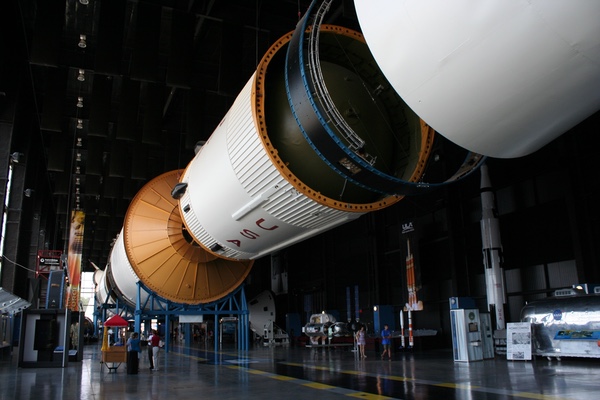
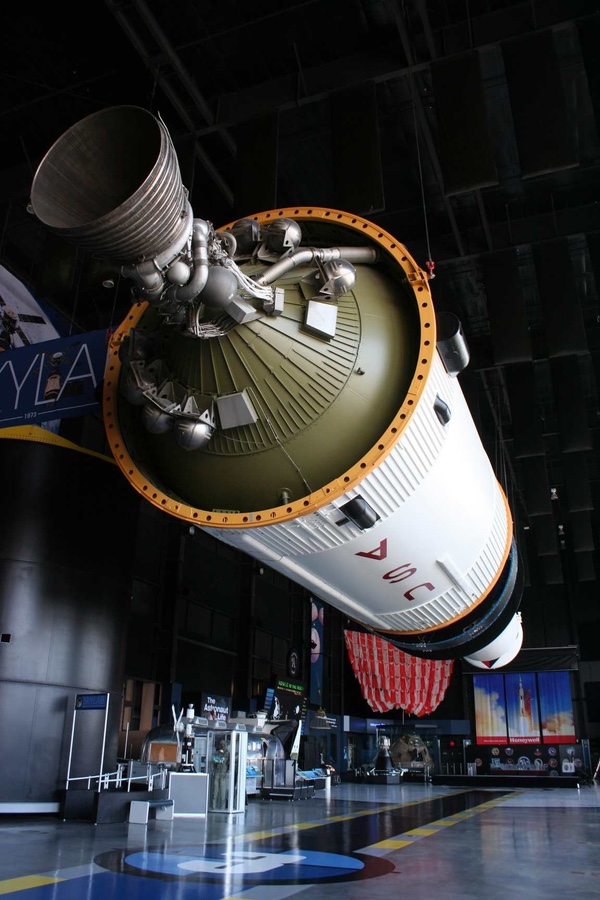
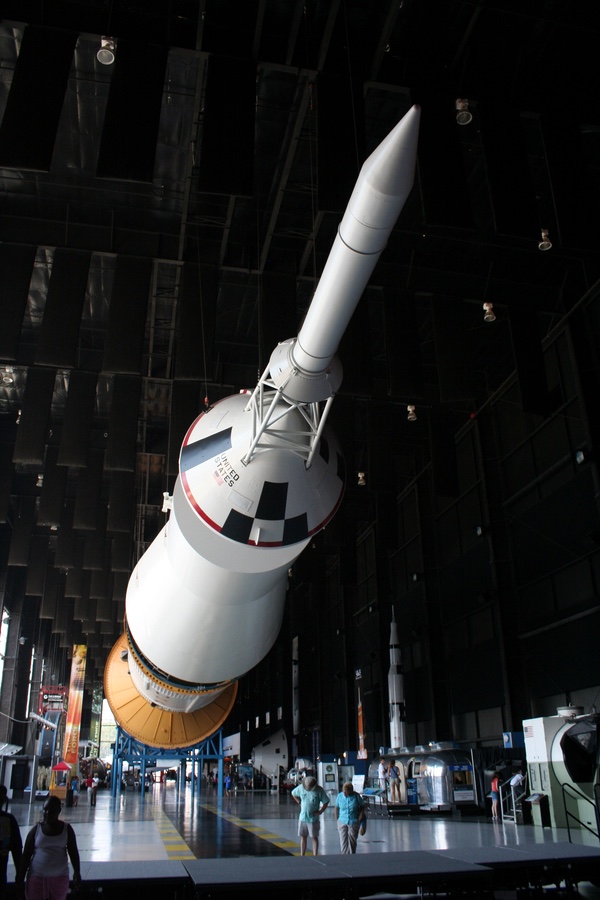
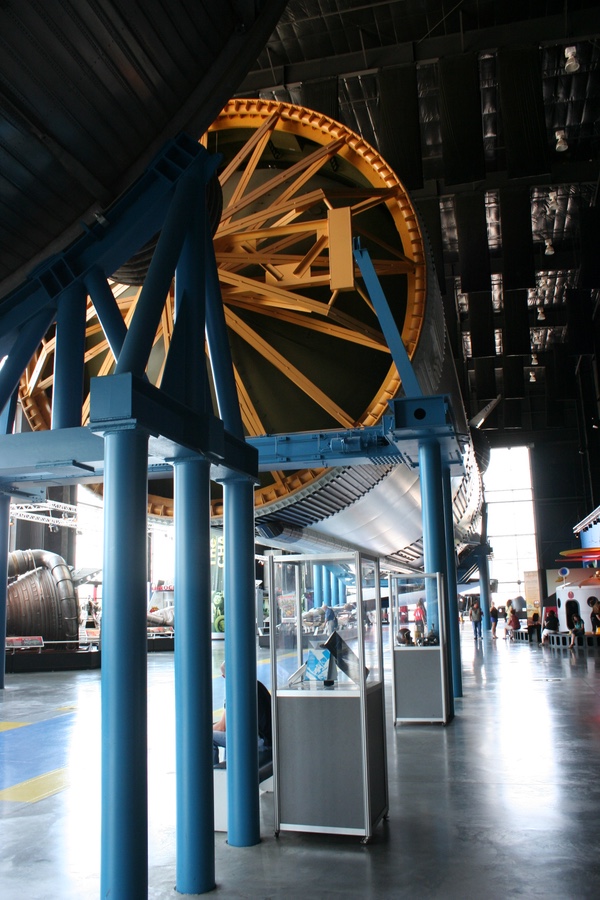
In the late 2000s, the museum opened The Davidson Center, a fantastic exhibit hall featuring a Saturn V rocket as well as numerous exhibits devoted to the development of the rocket engines that powered the Saturn V. It took the new facility a few years to get fully outfitted with exhibits, but it became an excellent museum annex. However, the main museum continued to slowly atrophy, and outdoor exhibits were visibly deteriorating in the weather.
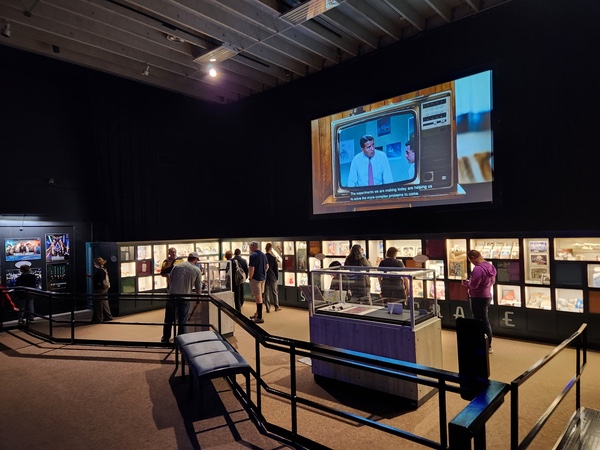
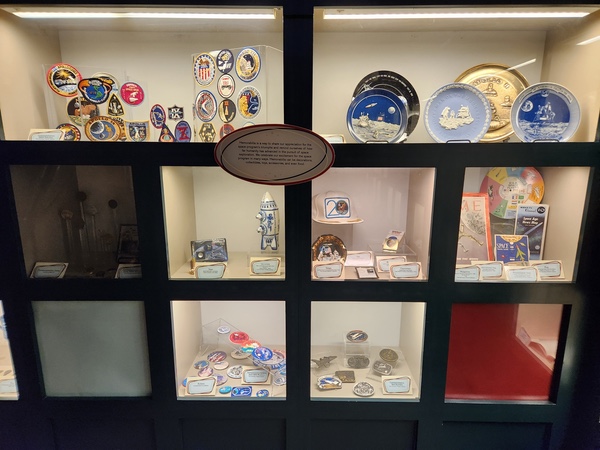
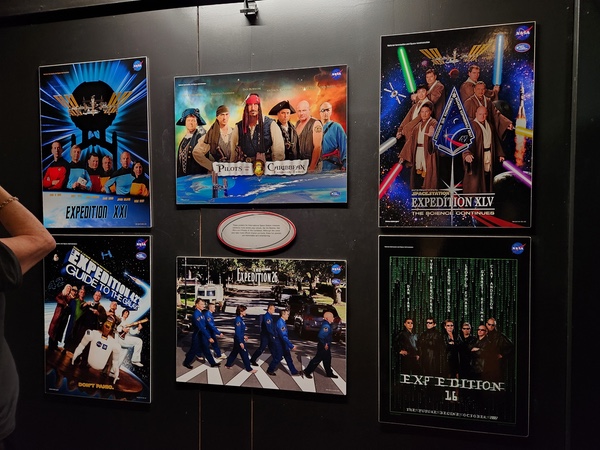
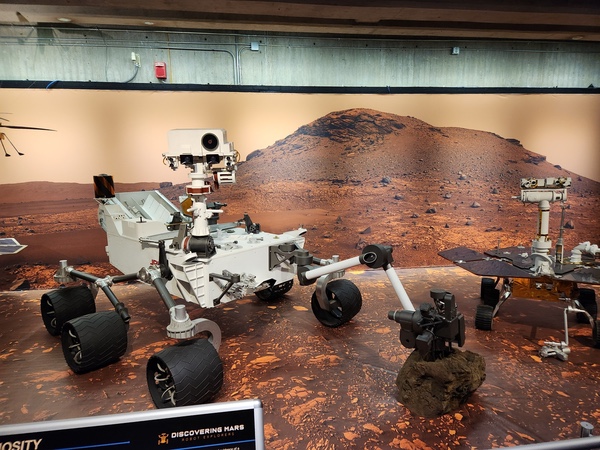
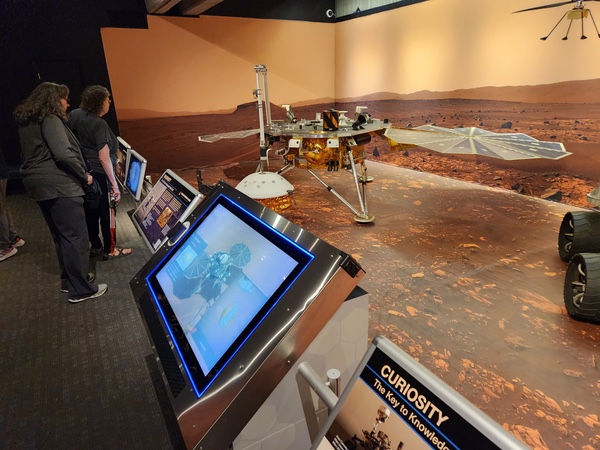
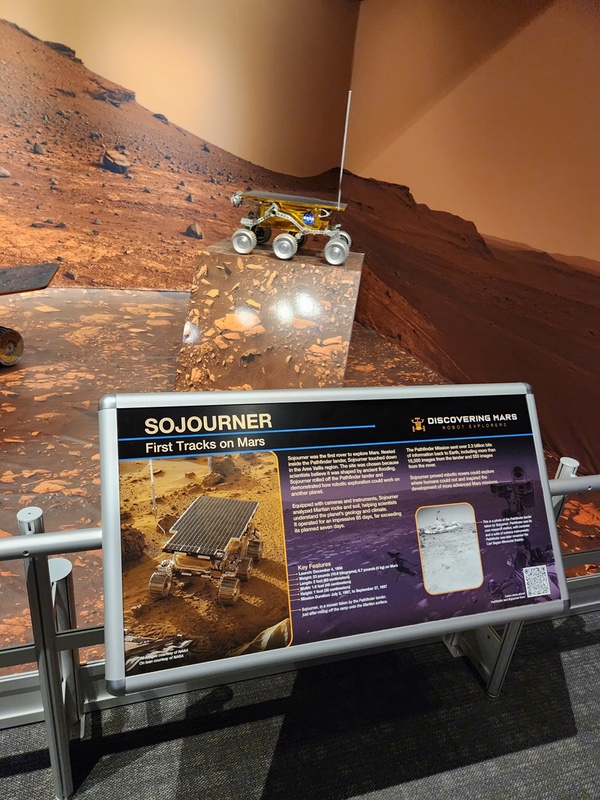
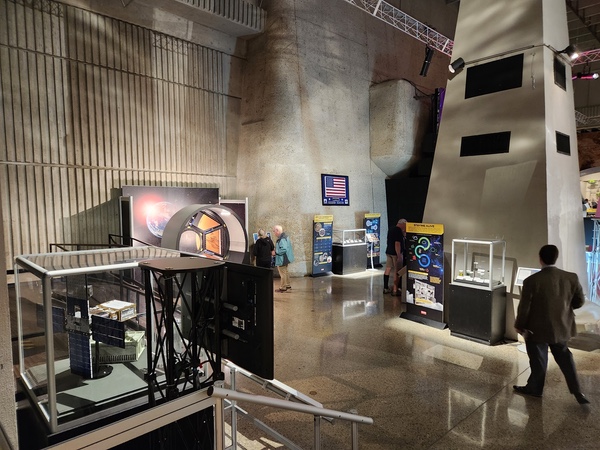
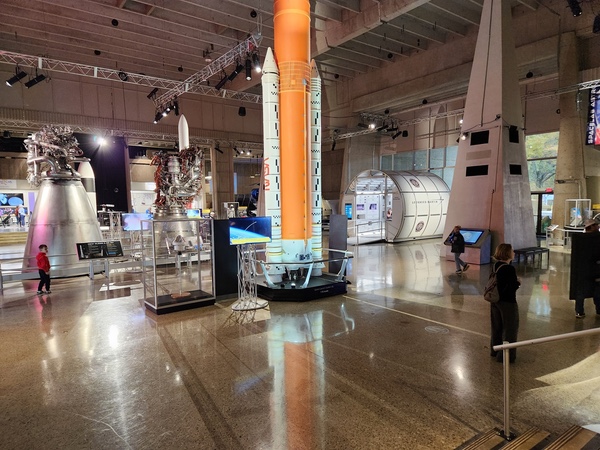
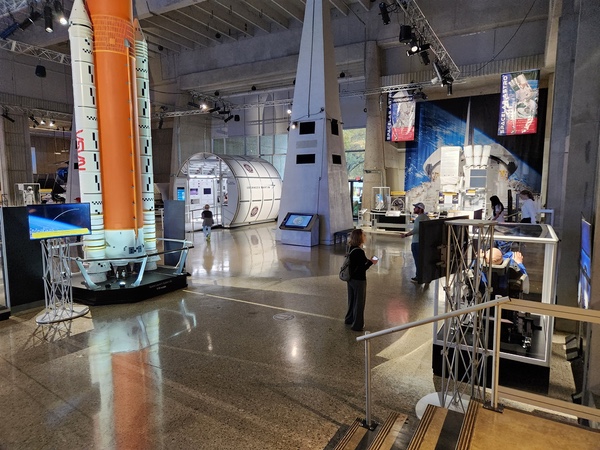
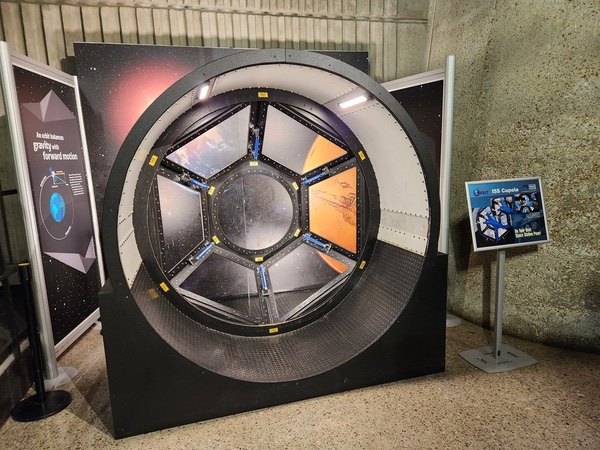
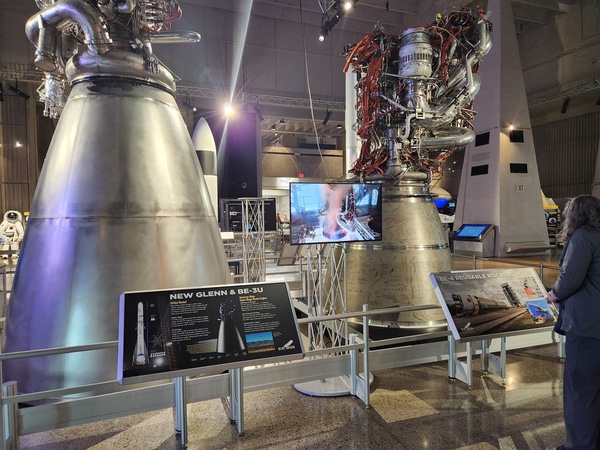
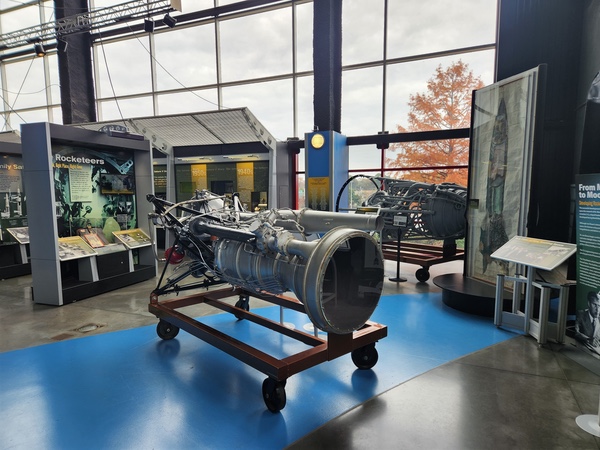
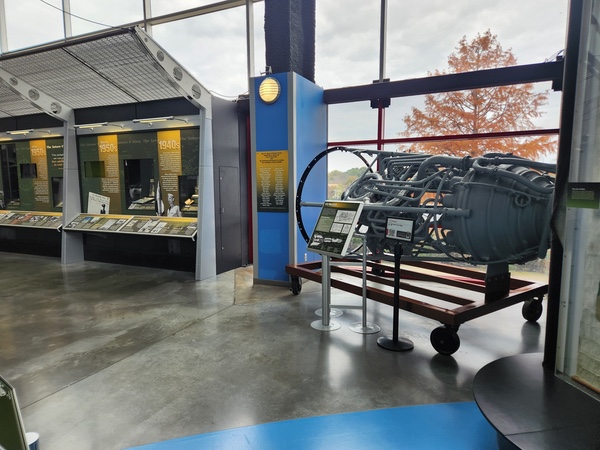
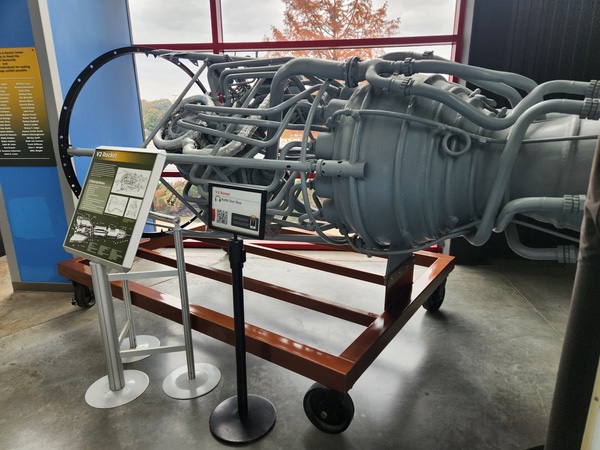
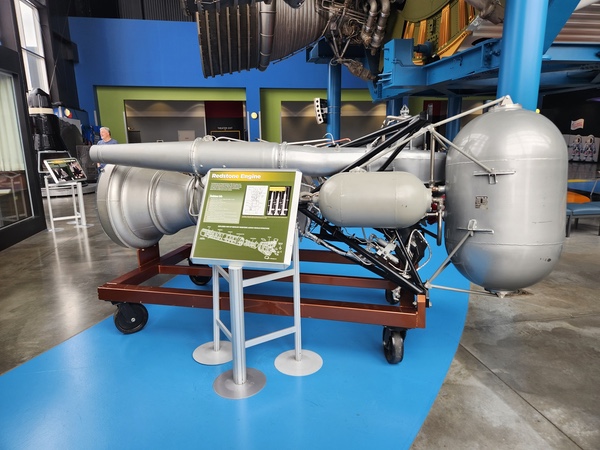
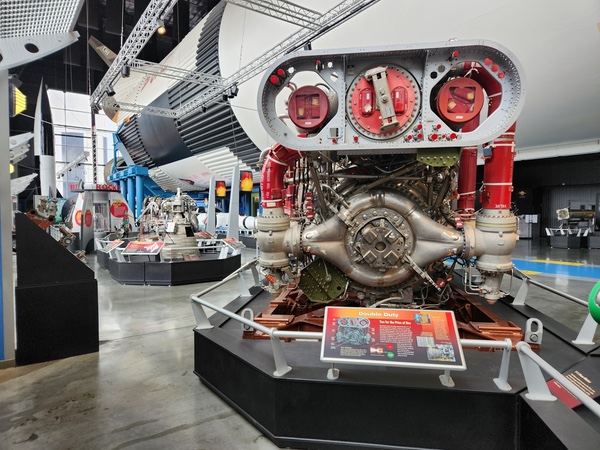
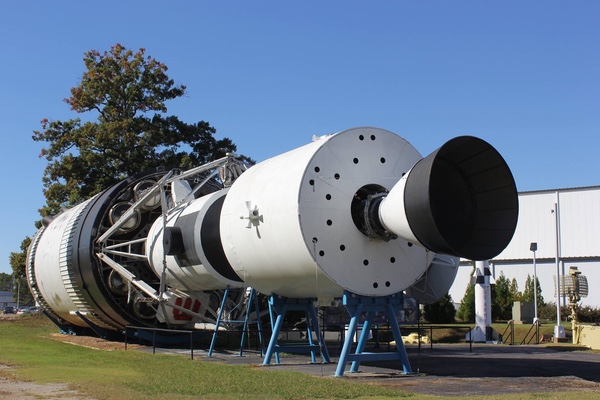
These days, the main museum has transitioned somewhat. Many of the older indoor exhibits have been removed and some new ones have taken their place, including several rocket engines. The museum currently has three new exhibits: “How We Know the Weather”, “Exploring Mars: Robot Explorers”, and “Dare to Explore: Frontiers of Space”. What is missing is a world-class gallery explaining the history of rocket development, before and including the progress made at Huntsville, as well as an honest discussion of von Braun. Although some of the outdoor rockets have been repainted, one sad spot remains the full-scale Skylab underwater training mockup. Refurbishing it and placing it indoors is probably too much to wish for, and it would not be surprising if at some point the museum decides to scrap it.
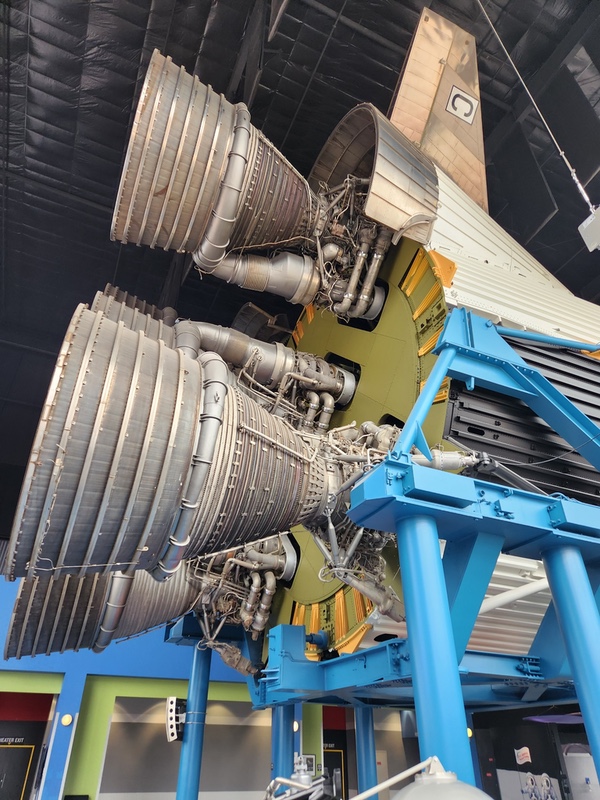
The Davidson Center remains the most awe-inspiring part of the overall museum. There are only three full Saturn V rockets on display—in Florida, Houston, and Huntsville—with a Saturn V first stage in Mississippi. Huntsville, of course, is the home of NASA’s Marshall Space Flight Center, which designed and tested much of the Saturn V, and the Davidson Center focuses on that aspect of the Apollo program.
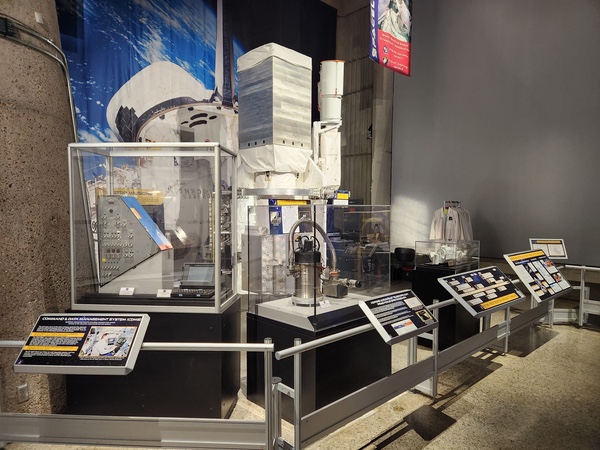
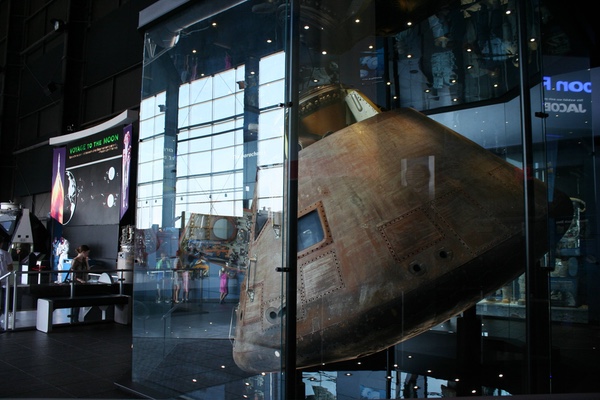
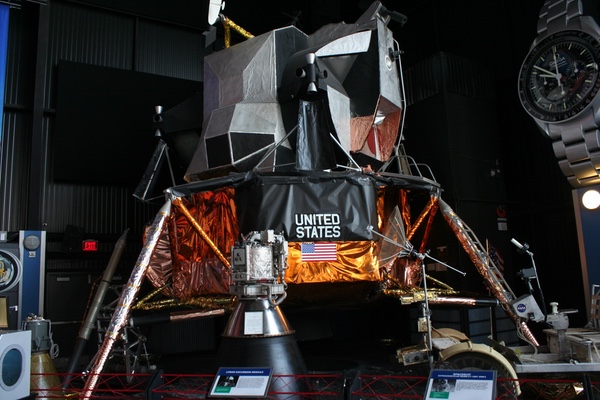
The exhibit hall includes an Apollo Command Module and a mockup Lunar Module, as well as a training mockup of a portion of the Skylab workshop. But most of the displays in the cavernous hall are devoted to the rocket engines and their testing, as well as the Instrument Control Unit that guided the rocket in flight. The focus is clearly, and properly, on the work that was performed just a few kilometers away at Marshall, not the entire US space program.
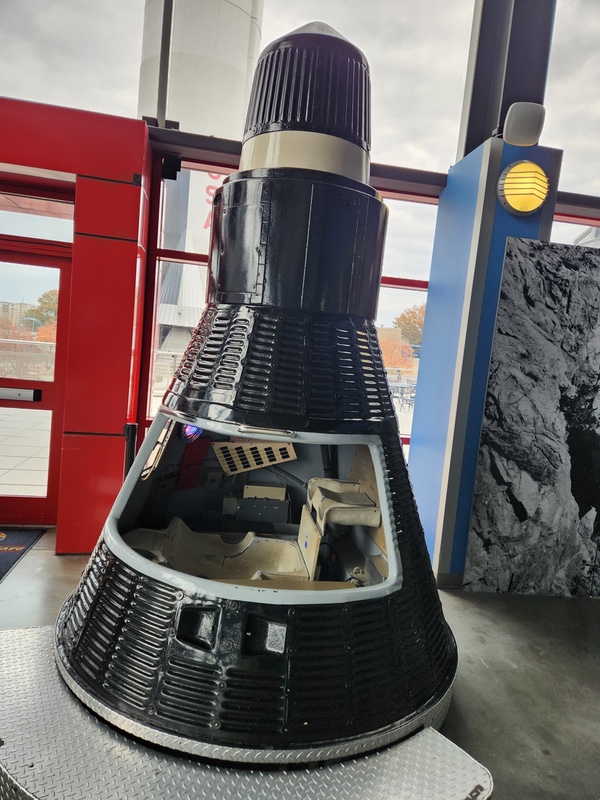
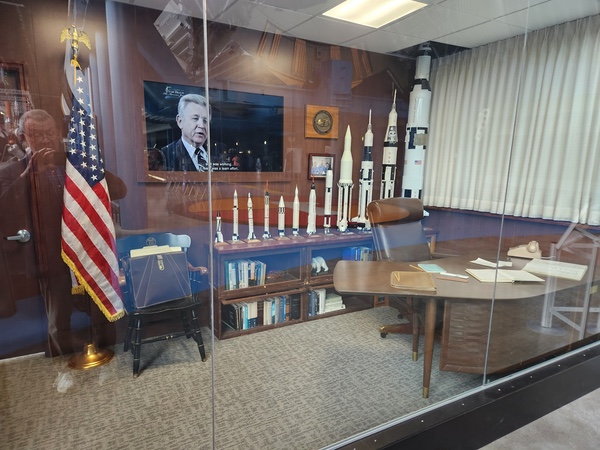
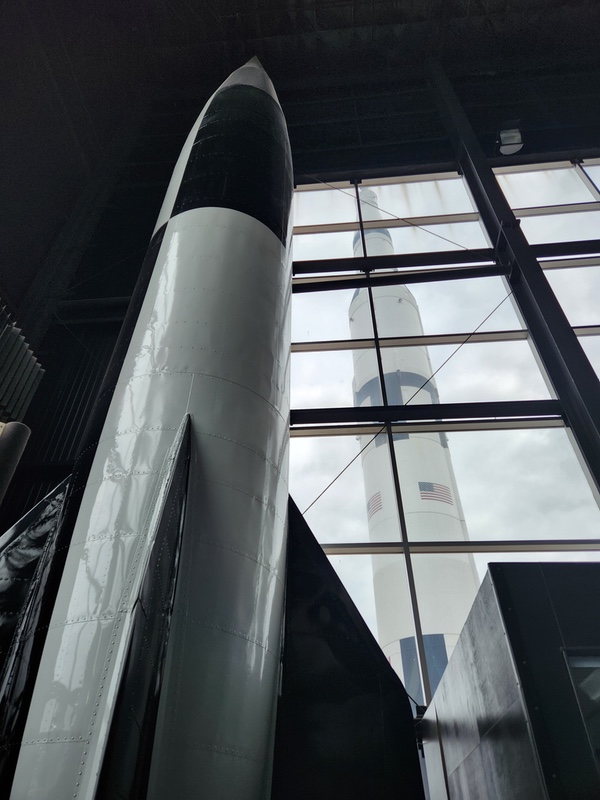
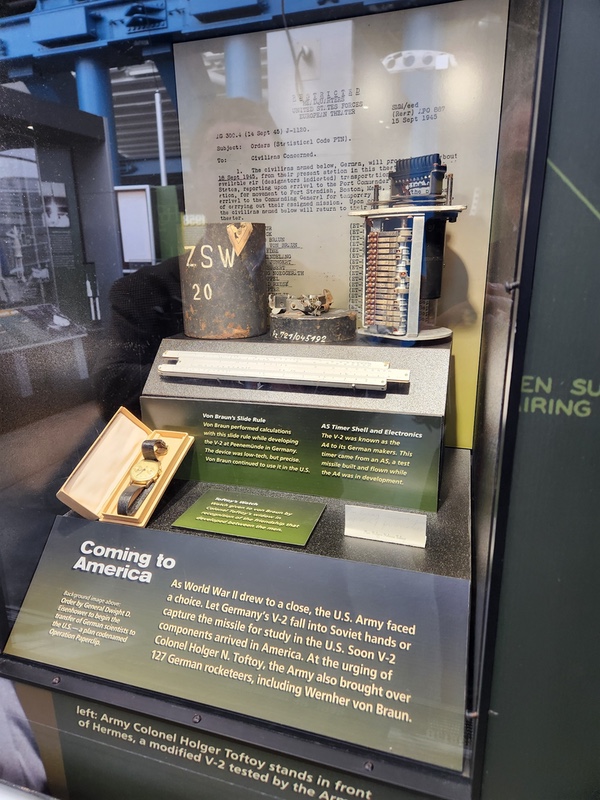
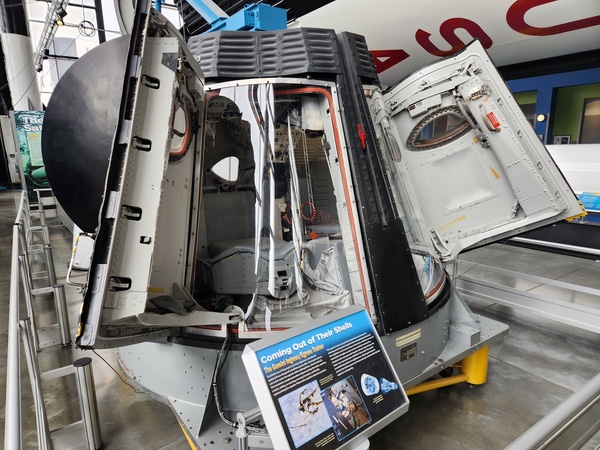
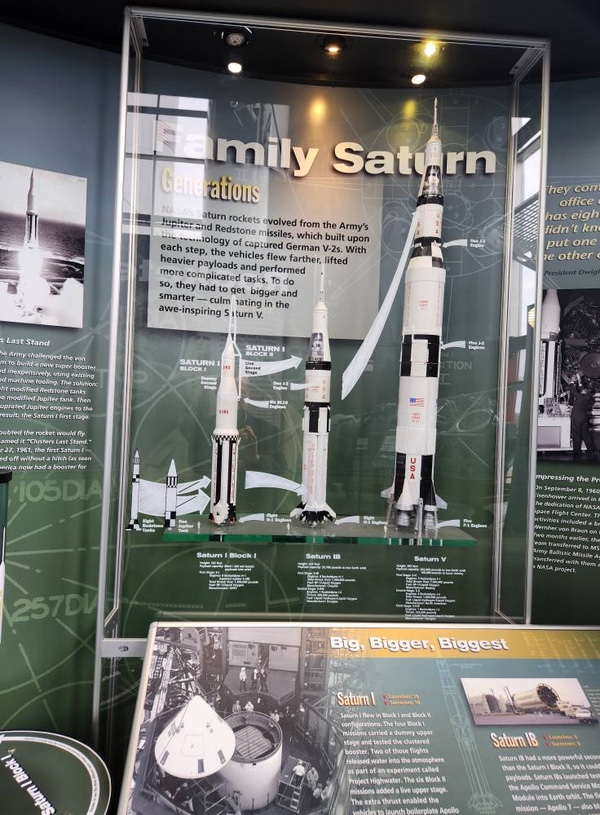
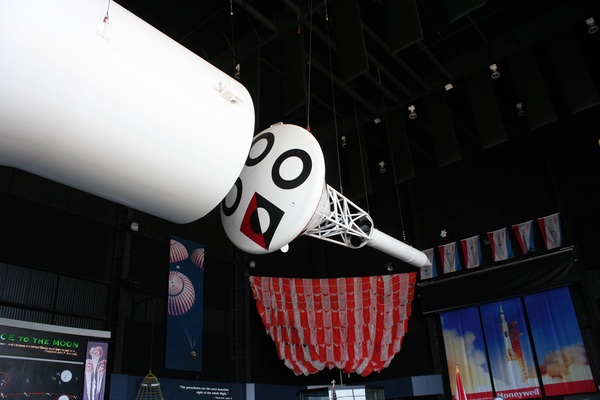
Museum curators have included some nifty footnotes from the development of the rocket, including very small as well as large wind tunnel models, one of the camera pods used to monitor engine performance and then jettisoned to parachute back to Earth, and exhibits explaining key challenges to the Saturn’s development, such as vehicle oscillation and rocket engine combustion instability. There is a giant swing arm and associated white room that the astronauts used to access the Apollo capsule. There are also displays on the history of rocket development, a V-2 rocket dwarfed by the Saturn’s F-1 engines, and procedure trainers for the Mercury and Gemini spacecraft.
The United States has several important and impressive spaceflight museums around the country. Lately, the Smithsonian’s Udvar-Hazy Center has been in the news for unfortunate reasons. When the Samuel Oschin Air and Space Center at the Los Angeles Science Center reopens in 2026, its vertically-mounted Space Shuttle Endeavour will put most of the other museums to shame. The US Space and Rocket Center has its Saturn V and is still well worth a visit.
All photos below by James Kruggel unless otherwise stated.