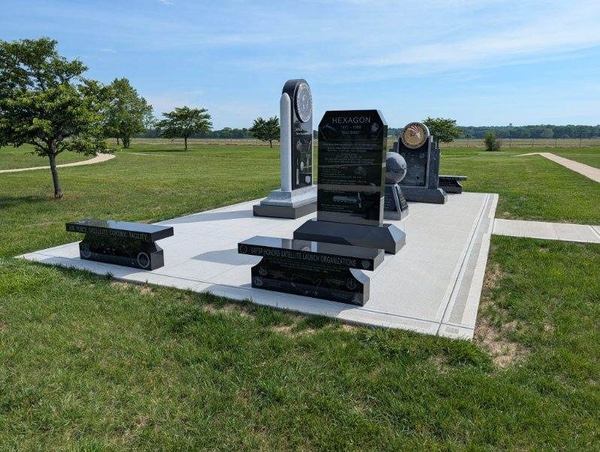
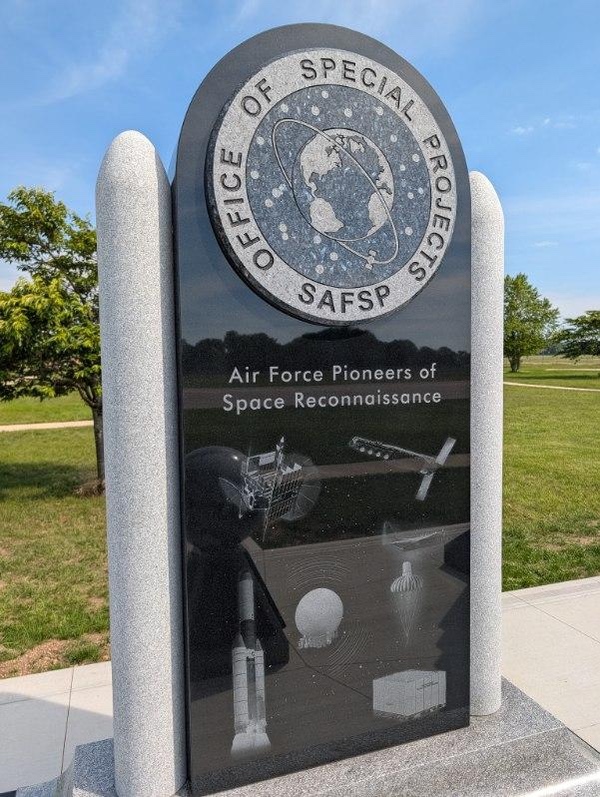
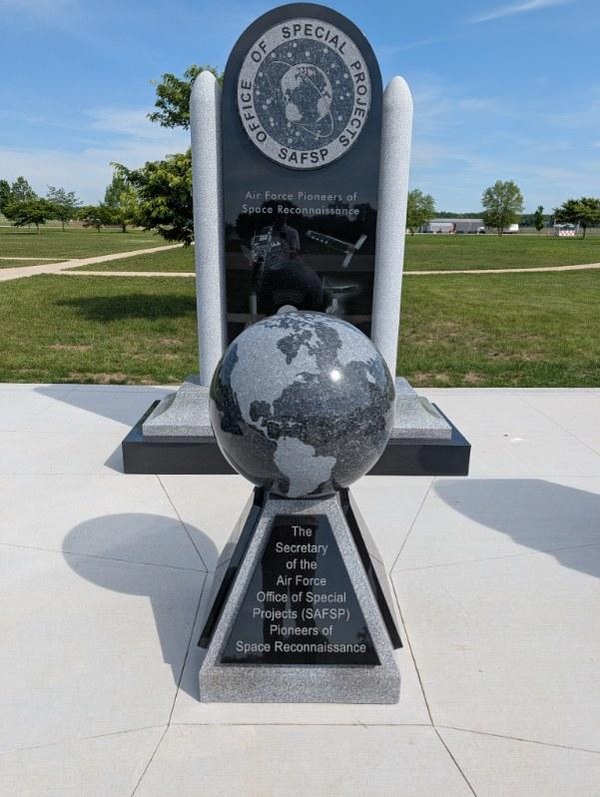
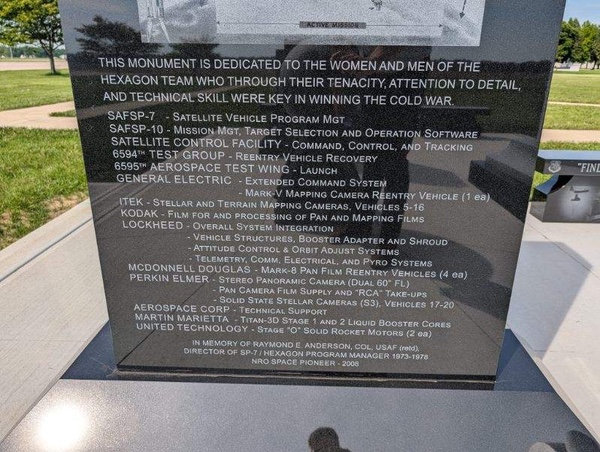
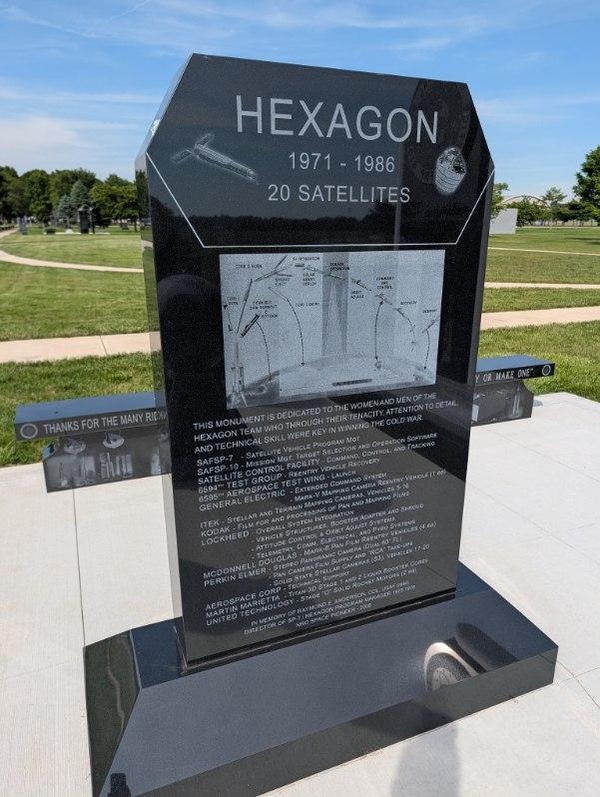
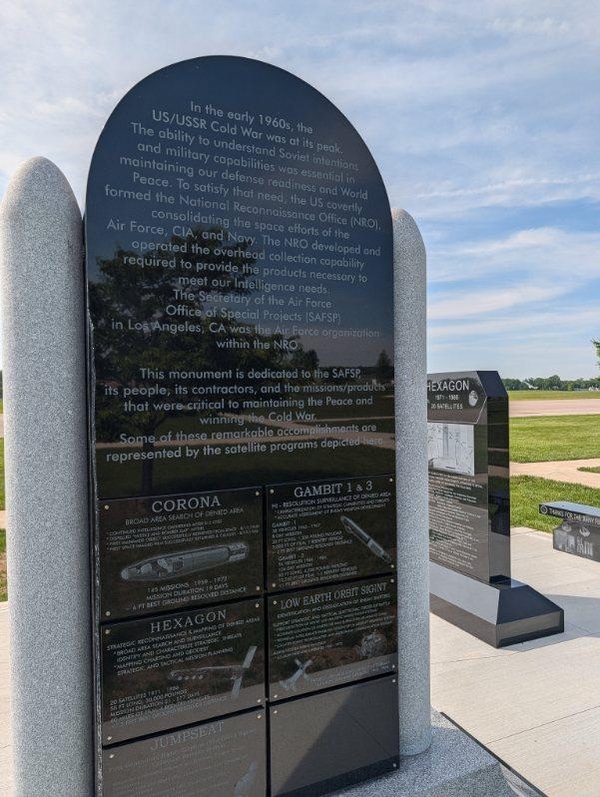
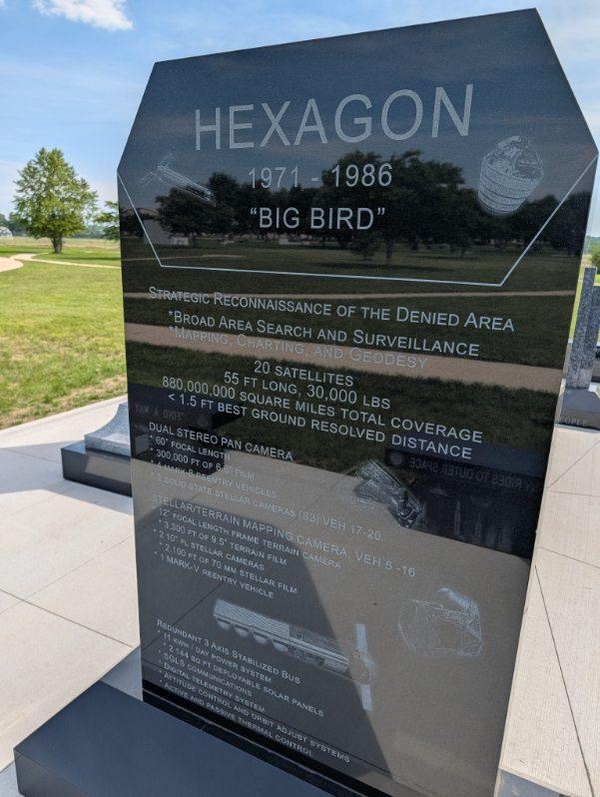
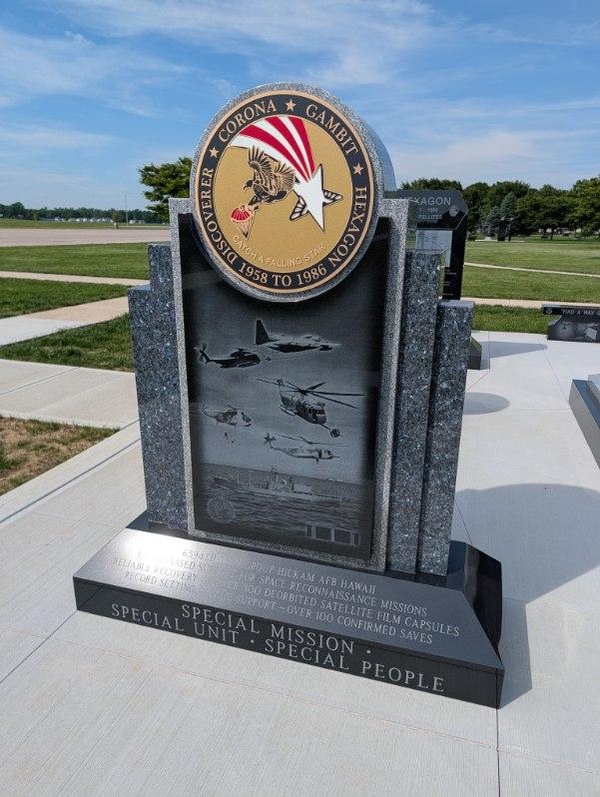
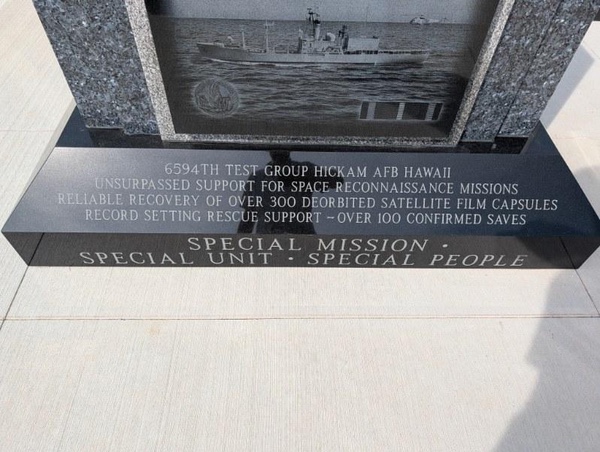
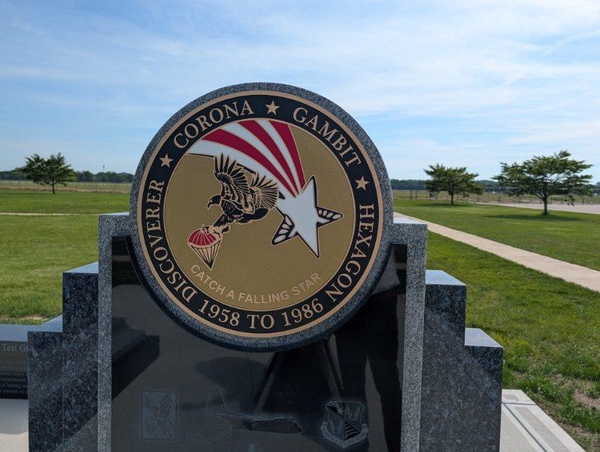
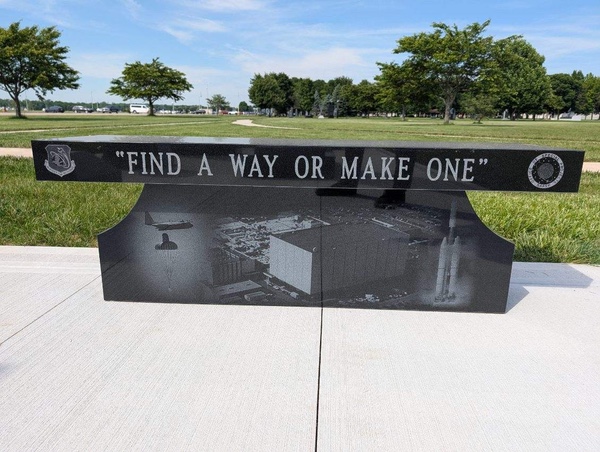
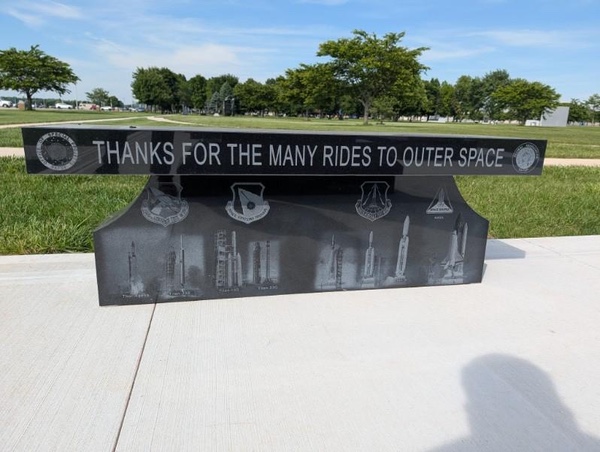
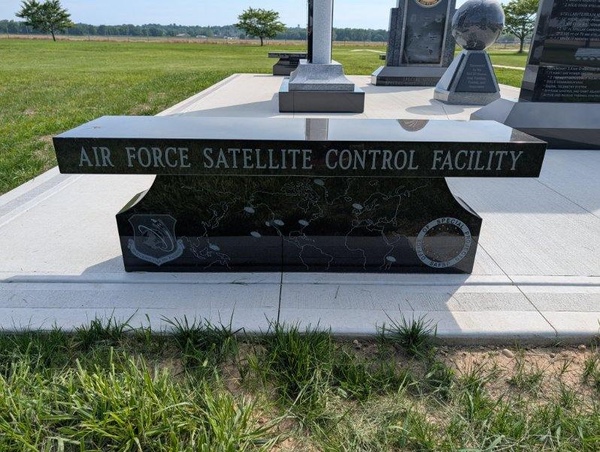
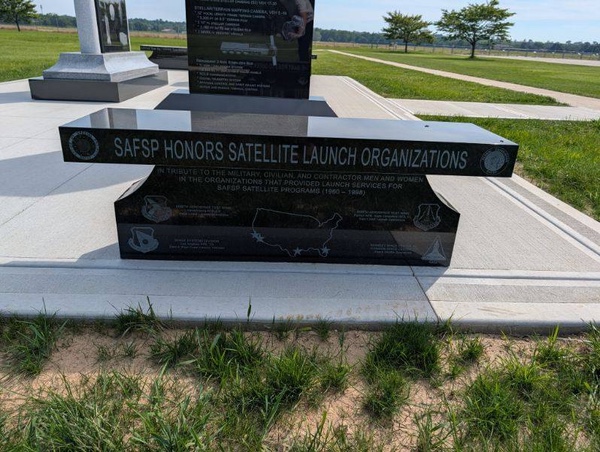
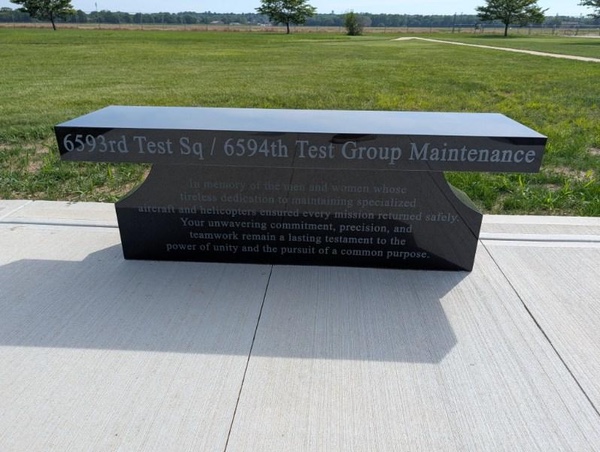
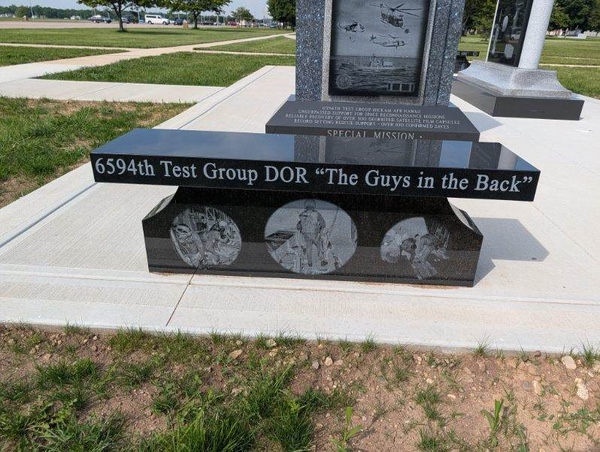
In May 2026, at the National Museum of the United States Air Force, a monument was dedicated to the people who worked for the Secretary of the Air Force Office of Special Projects, or SAFSP, often referred to as “special projects.” SAFSP managed and operated highly classified intelligence satellite programs during the Cold War. (credit: JPII)
Deep Black on the West Coast (part 3): The many missions of the Air Force’s Special Projects office
The monument is extensive, covering many aspects of the Air Force’s involvement in highly classified intelligence satellite programs during the Cold War. The people who worked for SAFSP over many decades took pride in their mission, but could not talk about it. The Air Force had a long history of overlooking its personnel who worked on space programs. For several decades after World War II, the “bomber mafia” ran the Air Force, until Vietnam elevated the “fighter mafia” to the highest ranks. There was never really a “space mafia” in the Air Force: the officers, enlisted, and civilians working on space programs were often ignored and unacknowledged. For those working on top secret compartmentalized programs, it was even worse, because they could not even say what they worked on. Their service records often had blank spots. The NRO generally took care of their own, but spending years working at SAFSP was not a good way to make general. They mostly took solace in knowing that they were responsible for a highly important mission.
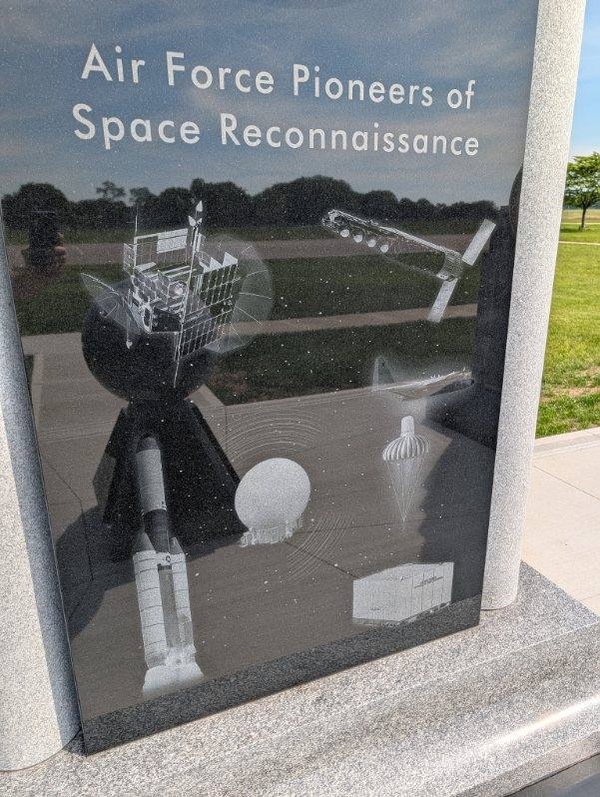
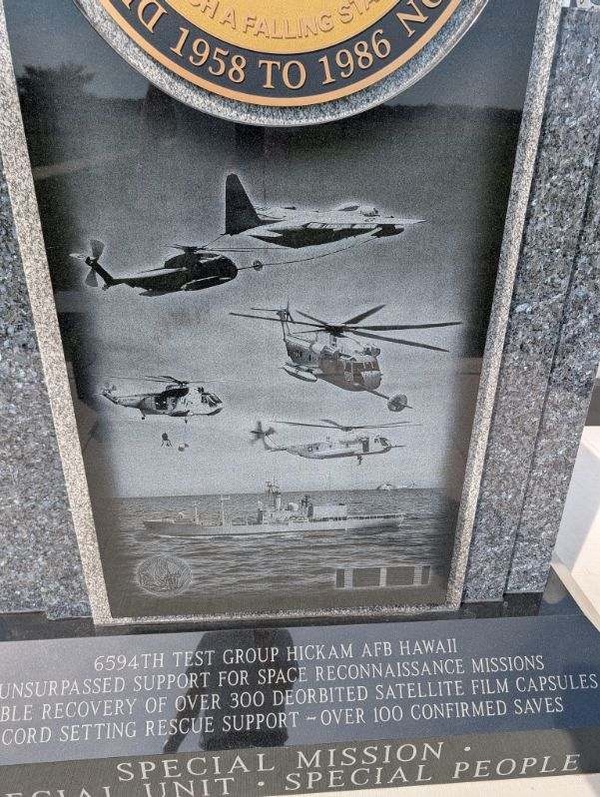
SAFSP oversaw many activities that are represented in the monument. They include controlling satellites in orbit, recovering satellite payloads that returned to Earth using both aircraft and ships, and processing film and photographic materials. They also interacted with Air Force organizations responsible for launching the satellites. The monument rightfully mentions the maintainers who kept the recovery aircraft at a high readiness rate.
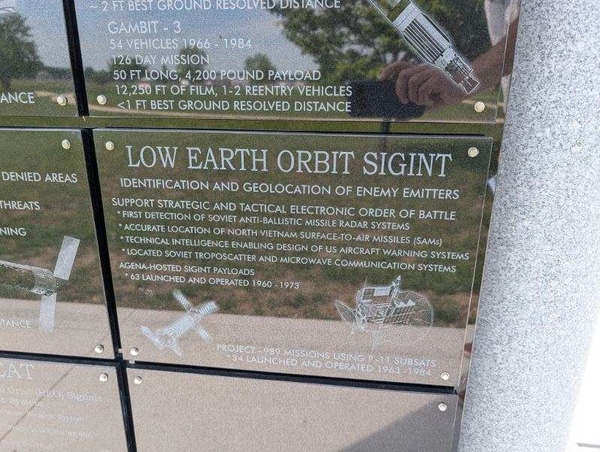
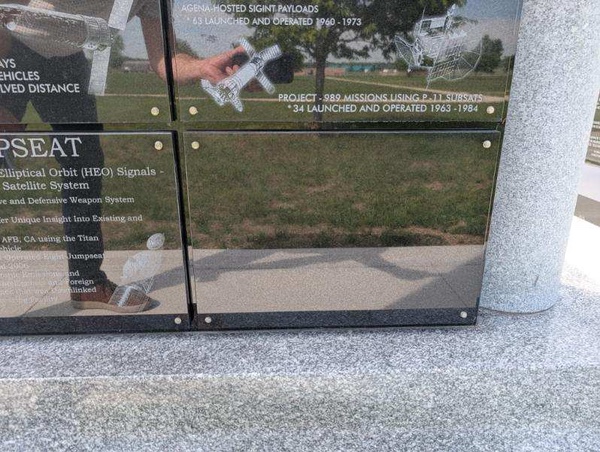
The monument refers to several declassified programs such as CORONA, GAMBIT, HEXAGON, JUMPSEAT, and the low Earth orbit signals intelligence satellites. It also includes a blank space for a future program when it is declassified. It will probably be a long time before some other programs and the people who worked on them receive their due recognition.
Here are additional photos of the new monument showing more of its features honoring the men and women of SAFSP.
Special thanks to JPII for the images.
Dwayne Day is interested in hearing from people who worked for SAFSP during the Cold War who can share what it was like to work for the secretive organization. He can be reached at zirconic1@cox.net.
Note: we are now moderating comments. There will be a delay in posting comments and no guarantee that all submitted comments will be posted.